Best Fence Companies: From Appointment to Conclusion
A fence is supposed to do two things: keep things in, and keep things out. Sometimes it also does the third job nobody budgets for, which is making your house look like it has its life together. The difference between “nice idea” and “best fence installers in town” usually comes down to one moment: the first conversation.
That’s where the quality shows up. The best fence companies don’t rush you into picking a style they can install quickly, they figure out what you actually need, what you can realistically maintain, and what kind of timeline you can live with. And yes, they will ask questions that make you realize you’ve never looked at your yard the way a contractor does. That’s good. Confusion upfront beats surprise later, when the post holes are already punched into your landscape dreams.
Below is what the full process looks like, from consultation to completion, plus how to spot the “best” among best fence contractors, best fencing installers, and best fencing builders, even when their website copy is doing its best to sound identical.
The first meeting: when “nice fence” turns into a plan
If you’ve ever tried to plan a fence on your own, you already know the problem: a fence is not one product. It’s a stack of decisions. Height. Material. Gate count. Wind exposure. Ground conditions. Drainage. Property lines. Aesthetic balance with the house, trees, and hardscaping. And then the practical part, which is how your yard actually behaves after a rainstorm.
The best fence companies treat the initial consult like a design meeting, not a sales pitch. They walk the property, measure more than just the “approximate linear feet,” and they ask about what you’re trying to solve.
For example, I once watched a homeowner say they wanted privacy. Totally fair. Then the installer asked whether privacy meant “I want to block neighbor windows,” or “I want to reduce street noise,” or “I want to keep pets from staring at squirrels like they’re paying rent.” Those are different fences. A picket-style “privacy” fence is a comedy routine compared to a solid board fence, and a spaced version can be fine if your goal is airflow and partial screening.
You’ll also see the best fencing contractors start discussing the invisible stuff early:
- How many gates you truly need, not how many you’re used to having
- Whether your yard has slopes that will require stepping or special panels
- Which sections will need reinforcement
- How they plan to deal with existing fence remnants, old concrete, or root crossings
A quick test: ask what they do when they uncover an unexpected drainage issue or a stone that refuses to cooperate. The right answer is not “We’ll figure it out later.” It’s “Here’s how we handle it, and here’s the trade-off if we can’t do it the exact way the first drawings show.”
Site realities: the ground is the boss
Fence projects love to fail in the details, mostly because the ground is rarely as cooperative as your imagination. Soil type changes everything. Sandy soil might be easy to dig but can shift. Clay can grip posts like it’s personally offended by the concept of freedom. Tree roots can force redesign. Water can find pathways under a gate and turn “closed” into “optimistic.”
A legitimate site assessment also includes the boring-but-critical measurements. Post spacing matters. Fence line straightness matters, especially for modern homes where you can spot crooked lines from the next zip code. If the fence follows a property edge, your contractor should be comfortable talking about how they confirm boundaries, not just “assuming it’s about here.”
I’ve had installers eyeball the layout and then later discover they were off by a foot. That doesn’t sound like much until you try to match the fence line with landscaping you already love. The best fence installers catch that before concrete shows up.
A good sign is when they explain options with consequences. For instance, they might tell you that a certain post depth meets their standard for your soil type, but the closer you get to a slope or a wet area, the more they’ll adapt. There’s a difference between “standard install” and “standard install that’s been adjusted for reality.”
Materials and styles: choosing the fence you’ll still like in five years
Let’s talk about the click here part everyone thinks is the whole job: the material. Wood, vinyl, aluminum, chain link, composite, steel. Each one comes with its own personality, and not all of them age the same.
Wood is often the popular choice because it can look warm, natural, and high-end. It also demands maintenance, because wood is not a decorative plant you forget about. Pressure-treated lumber, cedar, and redwood each behave differently in weather and bug activity. If you don’t want to stain or seal, then wood might still work for you, but you’ll need to accept that “patina” is not the same thing as “maintenance-free.”
Vinyl can look sleek and offers a more consistent appearance, but it’s not magic. Temperature swings affect it, and cheaper vinyl can warp or fade. If you’re in a high-wind area, the installer’s approach to bracing and post setting matters more than the color name on the brochure.
Aluminum is lightweight and durable, often chosen for security without the visual bulk of a solid barrier. Chain link is practical and strong, and it can be dressed with privacy slats, climbing vines, or fabric wraps, depending on your aesthetic goals and local rules.
The best fence builders help you pick a style that matches how you live. If you have a dog that loves to dig near the corners, you might need more attention on bottom clearance and corner structure. If you host summer parties, gates and hardware matter more than the fence panels alone.
A funny thing happens in consultations. Homeowners will ask, “What do you recommend?” The best answer from a pro is not a single product. It’s a question back to you. They’ll ask what matters most, then suggest the option that best fits the constraints.
If you want privacy but you’re also worried about wind loads, you might end up combining design choices, like a specific height plus solid sections in key areas rather than a fully solid wall everywhere. That’s a real trade-off, and a good contractor will explain it without acting like you’re complicating the project.
Paperwork, permits, and the local rules you can’t negotiate
Some fence projects are simple, some are regulated, and many sit somewhere in between depending on property lines, height, and whether the fence is facing a street. You don’t have to become a zoning expert, but you should absolutely care whether the company treats permitting like a chore or like a normal step.
The best fence companies don’t treat permits as optional. They tell you what they need, what the city or county typically requires, and who handles the application. In many cases, a contractor can manage the paperwork, but some cities require the homeowner to be the applicant. The important part is clarity.
If you’re wondering how to avoid headaches, ask this: “When do you submit for permits, and what happens if approval delays the schedule?” A confident company will answer with a workflow, not a shrug. They’ll also explain how approvals affect material ordering, because fences often come down to lead times.
The quote: what “complete” actually means
Fence quotes can be surprisingly slippery because the price can include or exclude the same line items depending on the company’s internal habits. You want a quote that reads like it expects you to ask questions.
The difference between best fence contractors and those who just seem competent is usually the detail. A good quote clarifies:
- Fence material type and grade
- Post setting method, like concrete or special anchors
- Gate size and swing direction
- Hardware quality, hinges, latches, and any lock options
- Fence style, like picket spacing, board arrangement, and cap pieces
- Cleanup and removal of old fence material, if applicable
A quote that says “installation included” without mentioning gates, post depth assumptions, or disposal can end up costing you more than expected. Sometimes it’s small, like a “trim fee” for an odd measurement. Other times it’s large, like discovering the contractor assumed you had no existing fence to remove or that the line ran straight.
Here’s a trick I recommend to homeowners: ask for clarification in writing. You don’t need legal language, just confirm the assumptions. If a company refuses to clarify, it’s not automatically a disaster, but it is a risk.
The schedule: timelines that aren’t fantasy
Fences are often marketed as quick, but real projects have a sequence. Site evaluation, permits (if needed), layout verification, material ordering, delivery scheduling, excavation or digging, post setting, panel installation, finishing and staining or coating, then gate alignment and final adjustments.
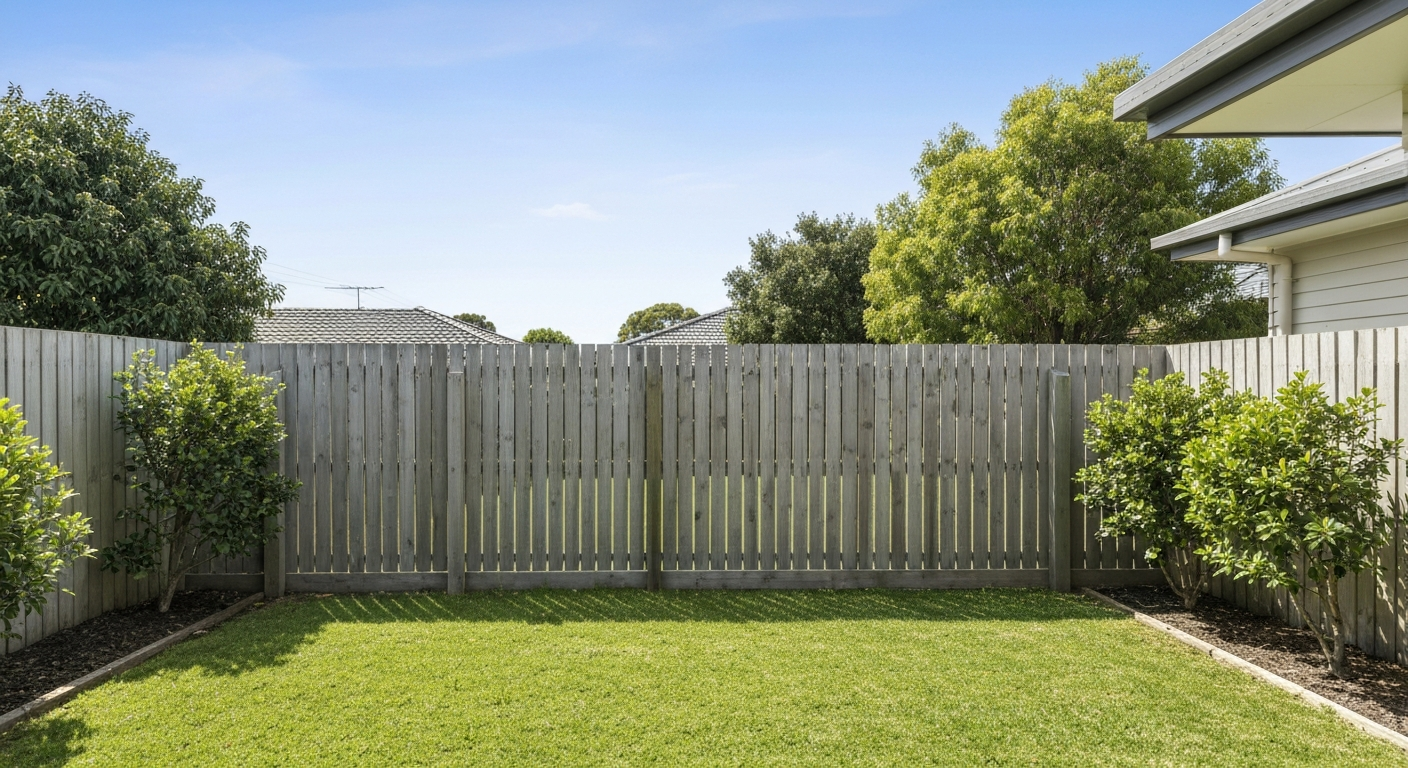
A reliable company gives you a timeline with uncertainty built in. Lead times are real. Weather is real. Equipment availability is real. If your contractor insists they can “definitely” finish in a week regardless of conditions, you should treat that like performance art.
In practice, many residential fence projects take anywhere from a few days to a couple of weeks depending on size, material choice, and whether the ground requires extra prep. Larger yards, multiple gates, and complicated boundary lines can stretch the timeline.
The best fence installers also plan for access. If you have narrow sides of the house, parking limitations, or landscaping that needs protection, they should discuss how they’ll work around it without leaving your yard looking like a construction zone after the party.
Installation day: how to tell if it’s going well before you can prove it
Watching the work matters, even if you’re not a professional. You’re not there to supervise every nail, you’re there to see whether they’re following a sequence that makes sense.
The most important stage is post setting. Posts are the bones of the fence. If the posts aren’t set correctly for depth, straightness, and alignment, everything else is cosmetic. Panels can be attached “straight enough” in the moment and still end up leaning after the next big storm.
Look for consistent measurements and clean layout markings. The best fencing installers do not freestyle the line. They verify the location repeatedly, because fences reveal mistakes more clearly than most projects.
If the company uses string lines or marking techniques, that’s usually a good sign. You want to see bracing and careful handling around corners and gates. Gates are often the first thing to complain about later because they’re used constantly and they experience the most stress.
A common edge case is ground that’s uneven. The right approach differs by style and yard slope. Some fences use stepped rails, others maintain a consistent top line with varying bottom gaps. Either can be correct, but it should match what you agreed to visually and what your local requirements allow.
Also, watch for how they handle existing landscaping. If they’re careless, they may save time today but create problems, like broken sprinkler heads or damaged roots, that cost you later. A pro keeps the yard in mind, even when it means slowing down.
Maintenance and finishing: the part that determines your “value per year”
Fence installations are not always finished the day the panels go up, especially for wood. Staining, sealing, and finishing can affect how the fence looks and lasts. Even with pressure-treated lumber, the timing of staining and the type of finish matter.
A good contractor will talk to you about how to maintain your fence based on the material. They should also tell you what to expect visually during the first few months, like minor color changes or drying effects.
With vinyl and metal, maintenance is often simpler. Wash down, check hardware, occasionally tighten or realign a gate. Wood needs more attention. Composite sits somewhere in between depending on product and exposure.
Maintenance is also where humor shows up, because people ask, “How often do I need to stain?” and sometimes the answer sounds like it depends on the weather, the sunlight angle, and whether you’re in a coastal or inland area. It’s true. Your fence is a weather sensor pretending to be a decoration.
If a company gives you a generic maintenance schedule without asking about your environment, you should treat it as a starting point, not a promise.
Gates, alignment, and the “final adjustments” no one films
The fence looks finished right up until you use the gate and notice it doesn’t latch smoothly or it drags slightly on one side. That’s not always the contractor’s fault, because ground can settle, posts can shift, and wood can expand. But it is the contractor’s responsibility to dial it in.
The best fencing builders plan for that final alignment. They check the latch height, confirm the swing clears the fence line without rubbing, and ensure the gate closes properly without forcing it.
If you have pets, gate performance matters beyond convenience. You want a gate that stays shut even when your dog charges it like it’s offended. In those cases, builders may recommend additional hardware or self-closing mechanisms if allowed by your gate design and local preferences.
This is also where good contractors communicate. They might ask you to test the gate while they’re still on site. They might show you how to adjust hinges if you notice a minor shift later. A fence that can be maintained is a fence that stays “best” longer.
Pricing reality: why “cheapest” is usually expensive in disguise
It’s tempting to hunt for the lowest bid. Everyone does it. But fences punish shortcuts in a way some projects don’t. The post placement, the concrete, the gate hardware, the alignment time, the surface finishing, the cleanup. Those are the hidden costs of a cheap quote.
The safest way to compare bids is not to compare total price alone, but to compare what’s included. Two companies can quote similar totals and still be pricing totally different scopes, especially for removal, uneven terrain adjustments, and gate hardware.
One homeowner I worked with wanted to save money by simplifying a gate. The installer advised against a certain hardware choice because it would be used heavily and would likely loosen sooner. The homeowner didn’t want to hear it, but the installer explained the likely failure mode, not just “trust me.” The result was a gate that still closes cleanly years later.
That’s the difference between best fence companies and random fence crews. It’s not just craftsmanship, it’s judgment.
How to evaluate best fence companies without losing your sanity
You don’t need to memorize every fence spec sheet. You just need to ask better questions than the average shopper and watch for consistency between what they say and what they do.
Here’s a short, practical checklist you can use during consults and estimate reviews.
- Ask who confirms property line assumptions and how
- Verify what the quote includes for gates, hardware, and disposal of old fencing
- Confirm post depth or post setting method based on your soil and slope
- Request details on finishing, like staining timelines if you’re using wood
- Clarify permitting responsibility and how schedule changes are handled
That’s five questions, not five homework assignments. If a company can answer them clearly, you’ll usually feel the difference in the next step, because good contractors aren’t scared of specifics.
Trade-offs: what you give up, what you gain, and what surprises people
Even with a perfect installer, you’ll make trade-offs. The best fence contractors acknowledge those trade-offs upfront so you can choose intentionally.
For example, privacy often means more solid coverage. That can mean a heavier fence, more wind load, and different structural requirements. It can also mean less airflow, which can affect how moisture behaves near the fence line. If you also have plants close to the fence, that matters.
If you choose a taller fence, some areas require special permits or restrict height near street-facing boundaries. Taller also costs more, partly due to material and partly due to more careful reinforcement.
If you choose a decorative style, it might look amazing but offer less privacy. If you need privacy and visibility, a semi-closed style could be the compromise. The best fence installers will steer you toward a solution that matches your real priorities rather than forcing you into one aesthetic.
Sometimes the surprise is that “straight fence line” is harder than you thought. Trees, old stakes, irrigation lines, and uneven ground can make the fence line less flexible than you imagined. A pro will suggest alternatives that keep the fence attractive while reducing rework.
Materials guide, in plain English (so you can actually choose)
You’ll see similar styles across materials, but the experience changes. Here’s a quick way to think about it.
If you want durability with a relatively clean look and minimal maintenance, aluminum and vinyl are often strong candidates. If you want that classic feel and you’re willing to maintain or you want a natural aging process, wood is hard to beat. If you need maximum security and strength per dollar, chain link is often practical, and privacy slats can add screening without turning it into a heavy construction project.
But don’t decide purely based on photos. The best fencing installers help you consider your yard conditions, like how much sun hits the fence, whether your neighborhood has frequent wind, and whether your soil holds water.
The “best fence builders” approach is matching material behavior to local weather and how you use the space.
What a good company does when things go wrong
Fence projects are not immune to reality. Sometimes the truck is delayed. Sometimes a utility line is found where no one expected it. Sometimes the homeowner changes their gate preference midstream. Sometimes the fence line needs minor adjustment for roots or drainage.
A strong contractor handles problems without drama and without trying to hide the ball. They communicate. They show options. They explain cost changes when they’re legitimate and necessary.
If a company keeps saying “don’t worry” without explaining the risk, that’s a red flag. If they provide straightforward options and the reasons behind them, that’s professionalism.
You don’t need a perfect project. You need a company that protects you from the worst outcomes.
Checking credibility: licenses, insurance, and workmanship you can feel
Even if you’re not into paperwork, basic credibility matters. Ask whether they carry liability insurance and whether their workers are covered. Many homeowners skip this step until they’re already in the middle of a problem.
A better approach is simple: confirm insurance and ask about warranty terms on workmanship and materials. The details vary, but clarity is a good sign.
Then, look at how they talk about craftsmanship. If they mention things like gate alignment, post setting, and proper finishing steps, you’re hearing a company that understands how fences fail and how to prevent it.
A fence can be “installed” and still be a headache. The best fence companies build for long-term use, not just a satisfying photo on day one.
A quick comparison: what you’re hiring, not just what you’re buying
You might hear the phrases best fence contractors, best fence installers, and best fence builders used interchangeably, but the differences show up in the behavior of the company. Here’s a quick, practical way to think about what you’re actually getting.
| Hiring focus | What it usually means on your project | Good sign to look for | |---|---|---| | Best fence contractors | Project management, scope clarity, permitting, scheduling | Transparent quote details and schedule that accounts for real lead times | | Best fence installers | Installation quality, alignment, post setting, gate performance | Consistent layout verification and careful handling of corners and slopes | | Best fence builders | Structure and long-term durability, finishing integration | They explain how and why they reinforce sections that see stress | | Best fence companies | End-to-end coordination, communication, cleanup | They ask thoughtful questions and follow up with clear next steps |
Use this table as a lens, not a rigid rule. Some companies hit all categories. Others are great at one piece and shaky on another. Your goal is to hire the company that matches your priorities and risk tolerance.
Completion day: what “done” should look like
When the crew finishes, you should see more than fences standing upright. The line should look straight and consistent. Gates should operate smoothly. Hardware should be installed correctly. Any leftover debris should be minimal and reasonable, especially if landscaping protection was discussed.
For wood fences, the finishing work should be complete or at least scheduled clearly. If stains or sealants are part of the agreement, you should know when they’ll be applied and what curing expectations are. Rushing finishing steps can reduce how well a fence performs long-term.
A good contractor also walks you through what they did and what you should watch for. They might tell you to check gate latches after a few weeks, or they might explain how to clean vinyl without damaging it.
If you ask how long until the fence is fully “set” or stabilized, a pro can provide a realistic range. Fences behave differently in different seasons, and the best fencing installers understand that your yard isn’t a controlled lab.
The tiny details that make a fence feel premium
Premium fences are rarely about expensive materials alone. They’re about how the work looks up close. Even if you’re not obsessed with craftsmanship, you’ll notice certain things:
A clean finish around caps. Uniform spacing that doesn’t drift over 40 feet. Corners that don’t look like they were negotiated with a hammer. Posts that don’t lean. Gate hardware that doesn’t bind.
One of my favorite “small wins” is how the bottom clearance is handled. It affects both appearance and function. Too tight and gates or panels can rub. Too loose and you lose some of your protective barrier. The best fence builders make those choices intentionally and align them with your goals, like pet containment, privacy, or airflow.
Getting the outcome you want, from consult to completion
If you’re aiming for the best fence companies in your area, focus less on catchy slogans and more on process. Great outcomes come from specific behaviors: site awareness, clear quotes, realistic schedules, thoughtful material selection, and finishing that respects the way fences actually age.
A fence project is a partnership. The contractor is bringing the structure knowledge, the tools, and the experience with installation pitfalls. You bring the reality of your property and how you want to use the space.
When both sides show up prepared, you end up with something better than a boundary. You end up with a fence that looks right, works reliably, and doesn’t become a “we’ll deal with it later” problem.
And honestly, that’s the kind of upgrade you notice every time you step outside, even when you’re not thinking about fences at all.